The Summer Facility Readiness Plan: 7 Cleaning Priorities Before Students Return

Summer goes by quickly. One minute students are packing up for break, and the next, orientation tours are underway and teachers are setting up classrooms.

For facility managers, maintenance teams, and administrators, those summer months aren’t truly downtime. They’re one of the few opportunities to get ahead of issues that build up throughout the school year.

But many campuses spend summer tackling only the most visible cleaning tasks. Floors get mopped, trash gets removed, and classrooms get straightened up. Meanwhile, bigger maintenance and cleaning projects pile up.

Deferred cleaning starts showing up in the form of worn flooring, stained carpets, unpleasant odors, indoor air quality concerns, and complaints from students, staff, and visitors.

And that’s particularly important as educational facilities continue to age. According to NCES, the average public school’s main instructional building is 49 years old, with 38% constructed before 1970.1

What could have been addressed through preventative maintenance turns into a much larger expense later.

A proactive summer plan for your K-12 school, community college, university, or multi-building campus can help protect your facility, support healthier learning environments, and reduce long-term maintenance costs.

Avoid playing catch-up all year long. These are the seven cleaning priorities that deserve a spot on your summer educational facility cleaning plan.

Priority #1: Restore High-Traffic Flooring

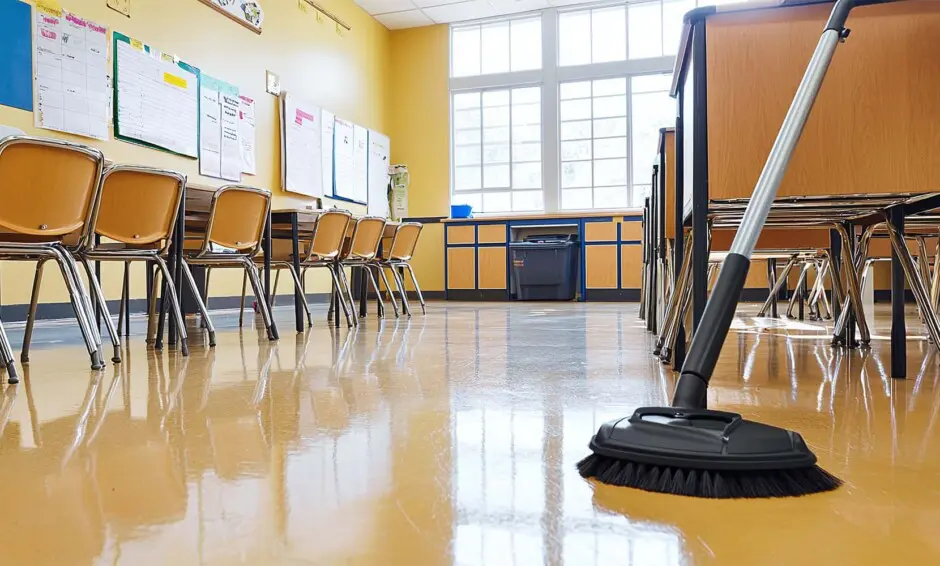
Few building surfaces take more abuse than school floors. Hallways, entryways, cafeterias, student unions, libraries, and classroom corridors see thousands of footsteps every day. Dirt, moisture, winter salt residue, food spills, and furniture movement all contribute to wear over time.

When floor cleaning gets postponed, small issues can quickly become expensive ones. Protective finishes wear down, scratches become more noticeable, and flooring materials begin deteriorating faster than expected.

Summer is an ideal time for larger floor restoration projects, but many facilities also use seasonal breaks to stay ahead of wear. Incorporating strategic winter break school cleaning into your annual maintenance plan can help prevent small issues from turning into larger repair costs.

For many schools, preventative floor maintenance delivers a much better return than waiting until floors become damaged beyond repair.

Priority #2: Address Indoor Air Quality Concerns

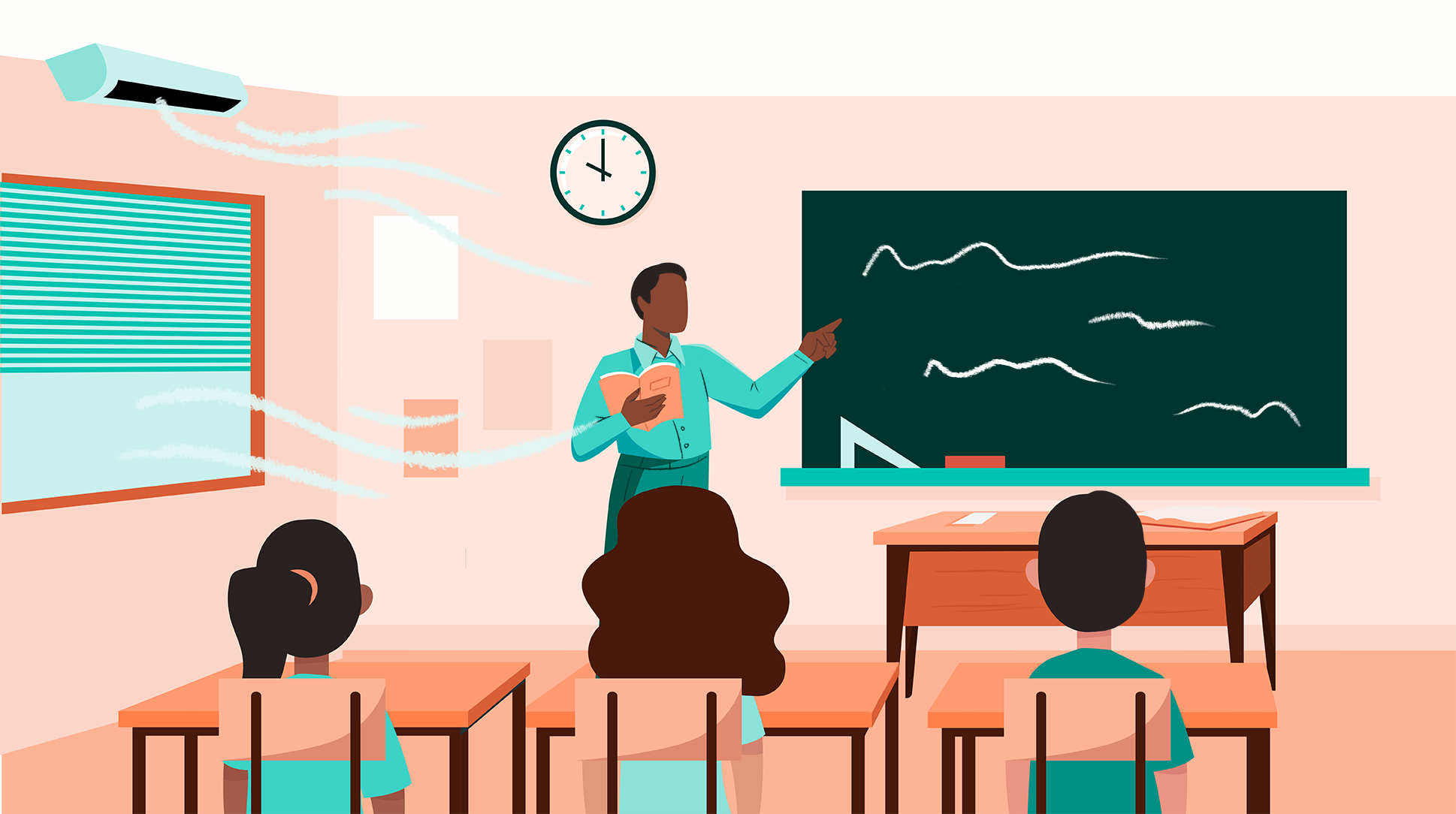
When people think about school cleaning, they usually focus on what they can see. But air quality is just as important.

Dust, allergens, and debris accumulate throughout the academic year in carpets, vents, high surfaces, and hard-to-reach spaces. If left unchecked, those particles will keep breezing through classrooms, offices, lecture halls, and common areas.

Poor indoor air quality can contribute to respiratory irritation, unpleasant odors, and discomfort for students, faculty, and staff.

According to the EPA, nearly 1 in 13 school-age children has asthma, and indoor environmental exposures such as dust, pests, and mold can play a role in triggering symptoms. That’s one reason improving indoor air quality should be a major part of any summer cleaning plan.2

Summer is a chance to target these hidden problem areas with detailed dust removal, carpet extraction, vent cleaning, and other specialized services. For facilities that have stuffy spaces or dust buildup, this should be one of the first items on your summer checklist.

Priority #3: Deep Clean Cafeterias & Kitchens

Food service areas work hard all year. From elementary school cafeterias to university dining halls, these spaces see constant foot traffic, food preparation, spills, grease buildup, and heavy equipment use.

Daily cleaning helps maintain sanitation standards, but summer still allows for a more thorough approach. This is the time to clean behind equipment, handle hard-to-reach areas, remove built-up grease, sanitize food preparation surfaces, and address flooring that may have been overlooked during busy service periods.

A comprehensive commercial cleaning also helps limit pest concerns and creates a safe environment for staff when meal programs pick back up.

While kitchens and dining facilities deserve special attention, they’re only one piece of a larger summer deep cleaning for schools and universities effort. Many schools use the summer months to address classrooms, athletic facilities, common areas, and other high-use spaces before the new academic year begins.

Priority #4: Refresh Restrooms

Unsurprisingly, bathrooms tend to generate more complaints than almost any other area of a school. Even when cleaned regularly when school is in session, years of heavy use can leave behind stained grout, lingering odors and worn fixtures that routine cleaning struggles to remove.

Summer gives facilities teams time to tackle these issues more thoroughly. Deep cleaning tile and grout, polishing fixtures, cleaning partitions, addressing odor sources, and restoring neglected surfaces can dramatically improve how these spaces look and feel.

It’s also a good time to address maintenance concerns before they become larger repair projects.

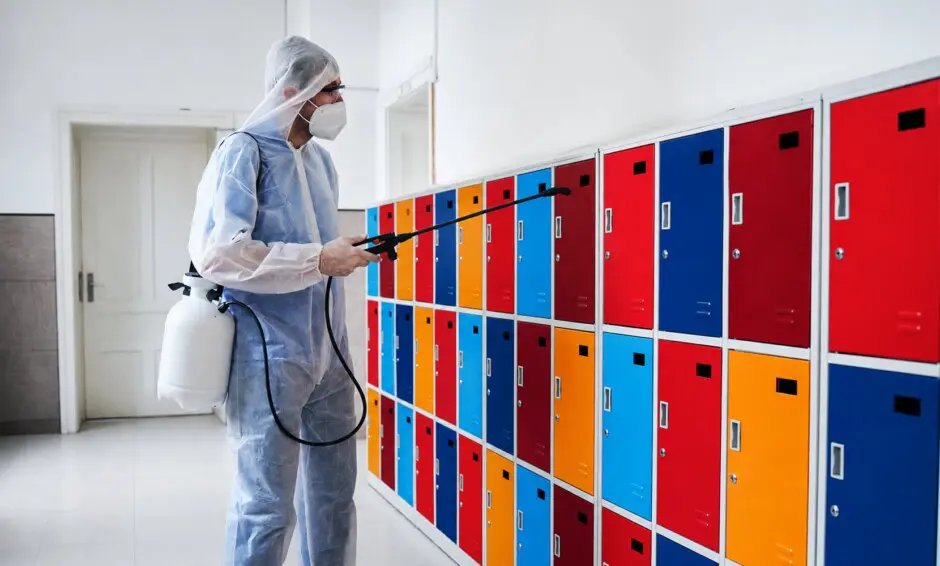
Priority #5: Sanitize Shared-Touch Surfaces

Students, teachers, faculty, staff, parents, and visitors come into contact with hundreds of shared surfaces every day.

These are door handles, handrails, desks, classroom furniture, elevator buttons, counters, and common area furnishings. They can all accumulate dirt and germs throughout the school year.

Summer cleaning provides an opportunity to thoroughly clean and sanitize these surfaces before occupancy ramps up again. For colleges and universities, this may also include residence halls, student centers, fitness facilities, libraries, and study spaces.

While shared-touch surfaces receive attention throughout the year, summer lets teams be much more comprehensive without everyday disruptions.

Priority #6: Prepare Athletic & Event Spaces

Athletic facilities often operate on a different schedule than the rest of campus.

Gymnasiums, locker rooms, stadium seating, recreation centers, auditoriums, and event venues could remain active long after classes end. Because of that, these areas sometimes get pushed down the priority list.

Summer is a great time to inspect and clean bleachers, athletic flooring, locker rooms, training facilities, and spectator areas. These spaces often accumulate dust, moisture, odors, and debris that require more than routine maintenance.

A complete cleaning helps create a better experience for athletes, coaches, students, and visitors while supporting the longevity of facility assets.

Cleaning crew sanitizing stadium seats before an event.

Priority #7: Improve Entrances & Common Areas

First impressions matter. Whether it’s prospective families touring a K-12 campus or students arriving for freshman orientation, entrances and common areas help shape perceptions of the entire facility.

Entryways, lobbies, reception areas, hallways, and gathering spaces typically show wear quickly because they experience the highest concentration of traffic.

So summer is a smart time to clean windows, refresh flooring, pressure wash exterior surfaces, remove stains, and fix appearance issues that may have developed during the school year.

These improvements don’t just make the building look better. They communicate that the facility is cared for and well maintained.

Why Educational Facility Cleaning Requires Specialized Expertise

Schools and higher education facilities operate differently than most commercial buildings.

A kindergarten classroom has very different cleaning needs than a university laboratory. Athletic facilities require a different approach than administrative offices. Residence halls present concerns that don’t exist in elementary schools.

That’s why educational facility cleaning isn’t simply completing a checklist. It takes an understanding of occupancy patterns, seasonal schedules, high-touch environments, health considerations, and the unique demands of educational spaces.

It takes planning, specialized equipment, trained personnel, and a strategy built around the way students, faculty, and staff actually use the space.

One of the biggest mistakes schools make is waiting until problems become visible before taking action. By the time flooring needs replacement, odors become persistent, or complaints begin increasing, costs are often much higher than they would have been through preventative maintenance.

Professional janitorial services help schools stay ahead of these issues by identifying problem areas early and building maintenance plans around long-term facility health. Rather than reacting to deterioration, facility teams can focus on preserving assets, maintaining cleaner environments, and reducing disruptions throughout the year.

Professional janitorial services also provide access to specialized equipment, trained technicians, and scalable support for both small schools and large multi-building campuses.

For K-12 districts, colleges, and universities alike, the goal is to create a maintenance strategy that protects the facility all year long.

Need help from an experienced team like ours? Contact us for capabilities, costs, and more info on our services for educational facilities.

Frequently Asked Questions

How far in advance should schools schedule summer cleaning services?

Most facilities start planning summer cleaning a few months before students leave for break. Early scheduling allows more flexibility, especially when coordinating cleaning with construction, maintenance, or renovation projects.

What areas are most commonly overlooked during summer cleaning?

High surfaces, vents, athletic facilities, storage areas, carpets, and spaces behind large furniture or equipment are often overlooked. These areas often benefit the most from detailed summer cleaning efforts.

Can educational facility cleaning help reduce long-term maintenance costs?

Yes. Preventative cleaning can help extend the life of flooring, carpets, fixtures, and other facility assets. Addressing buildup and wear early is less expensive than repairing or replacing damaged materials later.

Why hire professional janitorial services instead of relying only on in-house staff?

Many schools use a combination of internal custodial teams and professional janitorial services. External partners can provide specialized equipment, added labor, and expertise for large-scale seasonal projects that may be hard to complete with existing staff alone.

Sources

1. Nearly One-Third of Public Schools Have One or More Portable Buildings in Use, IES
2. Why Indoor Air Quality is Important to Schools, EPA

Post-Winter Illness Prevention: How Schools Can Strengthen Cleaning Protocols Before Spring

March is here, and most K–12 schools and university campuses have already weathered the toughest stretch of the academic year. Winter illnesses have cycled through classrooms and residence halls, foot traffic has steadily worn down floors and entryways, and custodial teams and school janitorial services staff may have faced gaps due to absences. At the same time, the first signs of spring begin to appear. Fluctuating temperatures, increased moisture, and early allergens entering buildings through every open door.

For facility managers and operations leaders, March isn’t simply a bridge between seasons but a whole operational shift. It’s the time to size up what the winter months left behind, reinforce cleaning and disinfection standards, and prepare buildings for the increased activity and environmental changes that come with spring. A proactive reset now protects health, preserves building assets, and reinforces confidence among students, faculty, parents, and stakeholders.

Strengthen school cleaning protocols this month by reassessing winter wear, reinforcing health standards, and preparing facilities for spring allergens, moisture, and activity.

Read more “Post-Winter Illness Prevention: How Schools Can Strengthen Cleaning Protocols Before Spring”

Small Window, Big Impact: Strategic Winter Break Cleaning for Schools

When it comes to school facility maintenance, winter break often feels like a missed opportunity. With students and staff off campus for only a brief period, many facility managers fall into a familiar trap: trying to do too much in too little time, or defaulting to the same surface-level checklist.

But with the right strategy, even a short break can become a high-value window for long-term impact. At Commercial Cleaning Corporation, we help schools optimize winter break cleaning not just to check a box, but to improve outcomes across cleanliness, safety, perception, and operations.

Here’s how to make your winter school cleaning program support measurable results for your facilities team and your academic community.

Read more “Small Window, Big Impact: Strategic Winter Break Cleaning for Schools”

Ultimate Guide to School Cleaning

Ultimate guide to school cleaning and reopening updated for 2023

It’s hard to believe school is almost here and with the new year comes new challenges and even the addition of a new viral threat. Commercial Cleaning Corp has put together a school cleaning guide packed with tips to help you prepare for a safe and healthy 2023-2024 school year.

Proper Ventilation Keeping School Air Clean

kids in a classroom getting instruction

CDC has recommended that proper ventilation be a primary topic of discussion in the reopening of schools this fall. Given the airborne nature of Covid19 recent research is saying that by rotating the air in the classroom this fall you can significantly lower your risk of spreading covid19. In addition to the reduced risk of spreading disease there are studies that show a lower co2 level in the classroom enhances learning.

The official CDC recommendation is to completely change the air in a classroom 6 times per hour. This is referred to as ACH or air changes per hour. When you see a recommendation of 6 ACH you can understand they are saying your ventilation system will replace the air in the room 6 times per hour.

In order to address the ventilation topic, the CDC website has added several features for schools to test and optimize their ventilation. However, you may want to call in your HVAC manager for this part as the concepts can get very technical. We tried to break it down in simple terms to easily understand in our school cleaning guide. If you would like to go down the technical road here are a few links to follow.
Read more “Ultimate Guide to School Cleaning”

The Essential Classroom Cleaning Checklist

Get the NEW 2023 “Ultimate Academic Summer Cleaning Checklist” > 

Updated for 2023 we have added a classroom cleaning checklist in downloadable pdf form. You can also check out our ultimate school cleaning guide that has valuable disinfectant information for schools.  Classrooms are the epicenter of learning; the place where young minds are molded into the great thinkers of tomorrow. They are also one of the most dirt-ridden places, harboring an unimaginably high concentration of germs, grime and viruses due to the high level of human traffic and shared space. With student’s hands averaging 1,200 aerobic bacteria per square inch1, it’s no surprise that classrooms are in constant need of deep-cleaning. Luckily, there are periodic cleaning activities that students, staff and teachers can perform to keep the never-ending tide of germs and grime to a minimum.

Follow this classroom cleaning checklist to cut down the amount of harmful bacteria and dirt in your school’s learning spaces to ensure a healthy experience for students and teachers alike. If you’re still having trouble keeping your classroom clean, it may be time to contact a commercial cleaning company for their services. 

Read more “The Essential Classroom Cleaning Checklist”