What Is Electrostatic Disinfection and How Does It Work?

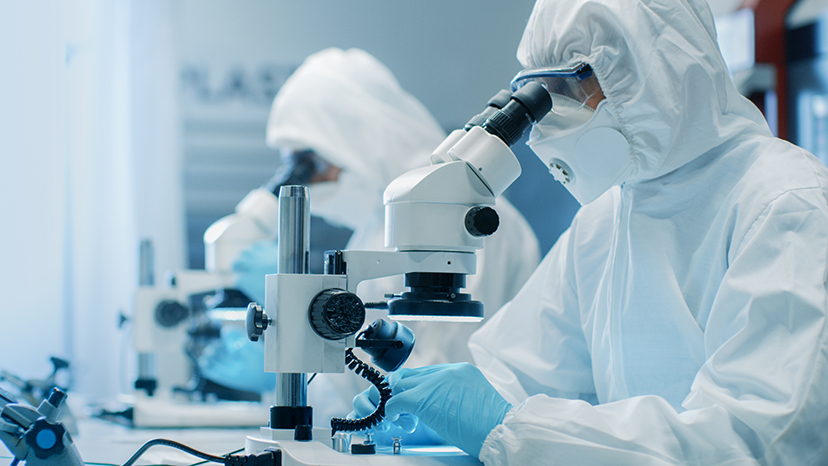
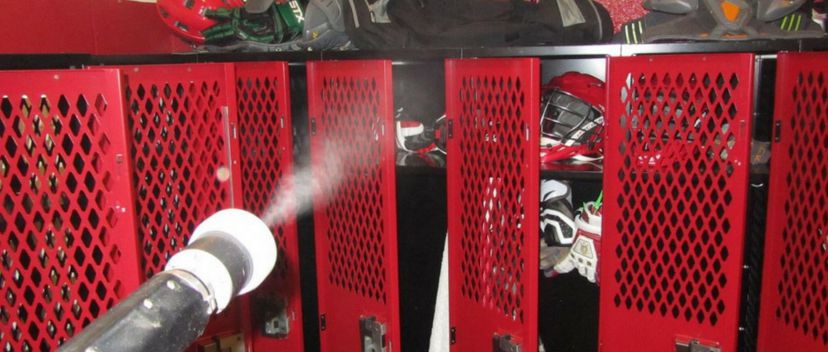
When it comes to cleaning surfaces and objects, traditional dry and wet dusting tends to be the first methods that come to mind. While these cleaning techniques are tried and true, they do little more than spread filth around, unless the rags used are washed regularly. Dry dusting kicks up resting particles, redistributing them into the air and onto other surfaces. Wet dusting can involve harmful cleaning chemicals and make it hard to reach certain spots or objects. For sensitive places, like clean rooms, R&D labs, healthcare facility cleaning and schools, there’s a more effective method for stripping dirt, dust and germs from surfaces that require specialized sanitation: electrostatic spray.

Looking for information on Coronavirus (COVID-19)? Visit our helpful Coronavirus page.

Read more “What Is Electrostatic Disinfection and How Does It Work?”

Urgent Care Cleaning: 10 Tips for a Clean Urgent Care Environment

Let’s start with a quick story: In the 19th century, Ignaz Semmelweiss worked as an obstetrics assistant in Vienna General Hospital. Soon after beginning work, he discovered that women who were treated in the doctor-run maternity ward were becoming ill and dying at an alarmingly higher rate than those who were treated in the mid-wife run ward.

The doctors were often coming directly from performing autopsies and weren’t taking any steps in between for proper sanitation. He, and Florence Nightingale around the same time, pushed for strict hand-washing regulations but were met with resistance. It wasn’t until the 1980s when the US Center for Disease Control implemented important hygiene guidelines requiring strict hand-washing procedures and regulations; but keeping your hands clean is only the first basic step of ensuring cleanliness in a healthcare environment.

An urgent care center is a fast-paced environment with patients coming and going at all hours. From illnesses and injuries to preventative care and blood tests, your staff treats people of all ages with all types of conditions and needs. It’s vital to protect your healthcare workers and patients by adhering to facility-wide cleanliness guidelines.

In this blog, we’re discussing the top 10 tips to ensure your urgent care center is always clean and sanitary for your staff and patients.

Read more “Urgent Care Cleaning: 10 Tips for a Clean Urgent Care Environment”

Hospital Cleaning: What Your Cleaning Service Already Knows

Finding a trusted professional cleaning service to maintain your building—especially when you work in the healthcare industry—can be challenging. It takes an experienced team to understand the nuances of working in a care environment and apply up-to-date cleaning best practices to a hospital, which relies on clean and sanitized areas to function properly and reduce health risks for patients, staff and visitors. If you’re curious about the skills and expertise that a cleaning service needs today or you want to confirm that your current team is doing a great job, review some of the key things they should know about how to make your facility safe and spotless.

Read more “Hospital Cleaning: What Your Cleaning Service Already Knows”

eBook: Why a Clean Workplace Matters [Free Download]

We all know that the young workforce has high expectations for today’s businesses. As employees, they want to do business for companies that remain professional and provide a healthy, welcoming space for team members to work, learn and grow. As customers, they want to purchase products and services from brands that look, feel and sound both authentic and transparent. All of these traits come together to form a first impression for professionals and consumers young and old. But organizations across all industries forget the value of a first impression. Efforts to build an appealing and modern brand image become buried under the day-to-day work creating outstanding products and services and managing business operations.

Read more “eBook: Why a Clean Workplace Matters [Free Download]”

Hospital Cleaning Procedures & Methods: How to Ensure a Spotless Environment of Care

A thorough cleaning regiment must be employed by hospital cleaning and janitorial staff in order to ensure proper microbe and disease remediation for the safety of employees, and most importantly of patients. A hospital or healthcare environment is unique in the respect that it houses people with compromised health, while also housing potentially deadly diseases and microbes in proximity, and often in the same room. It’s for this reason that hospital cleaning procedures and methods must be full-proof and carried out by qualified staff who can ensure satisfactory microbial and disease remediation.

Read more “Hospital Cleaning Procedures & Methods: How to Ensure a Spotless Environment of Care”

Cleanroom Classifications: How to Properly Disinfect Each Type

Cleanroom standards are some of the most stringent to adhere to. A cleanroom must be meticulously cleaned and disinfected depending on the type of research, development or assembly taking place within it. For instance, a clean room used for developing or assembling pharmaceuticals has a wide range of factors that will contribute to its classification, depending on how clean the room needs to be in order for untainted assembly and production to take place.

Read more “Cleanroom Classifications: How to Properly Disinfect Each Type”

How Long Does the Flu Last in Commercial Buildings?

The flu is one of the most common and deadly viruses that exists. This year is the first time that the flu is projected to be equally widespread across the United States1. It’s also projected to cause the highest amount of casualties, with 80,000 flu-associated deaths projected by year’s end2. As a result of its widespread and deadly nature, and with flu season approaching, the need to keep commercial buildings, such as office spaces, schools and health care facilities, free of the viruses’ germs is more urgent than ever before.

Read more “How Long Does the Flu Last in Commercial Buildings?”

1 … 5 6 7 8