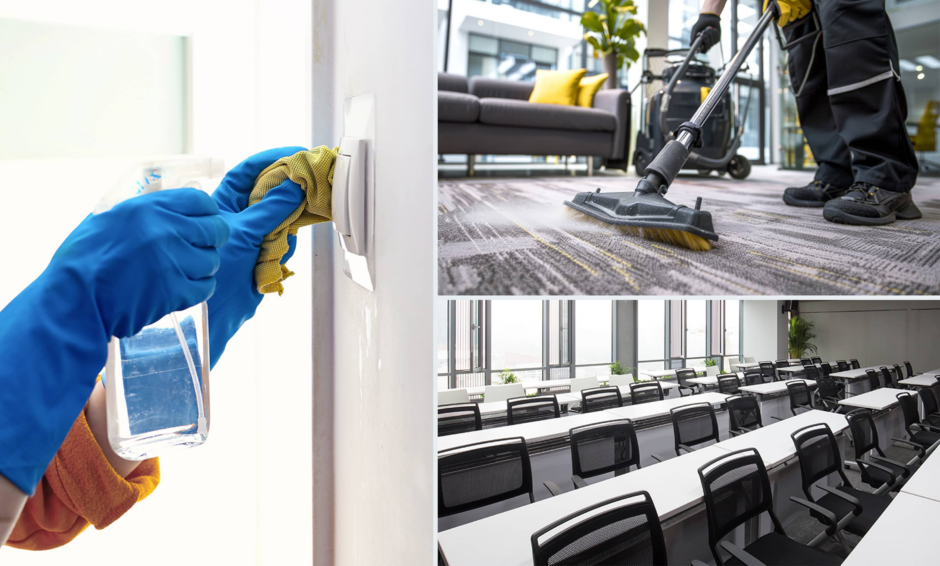
How to Prevent Last-Minute Rework During School Summer Maintenance

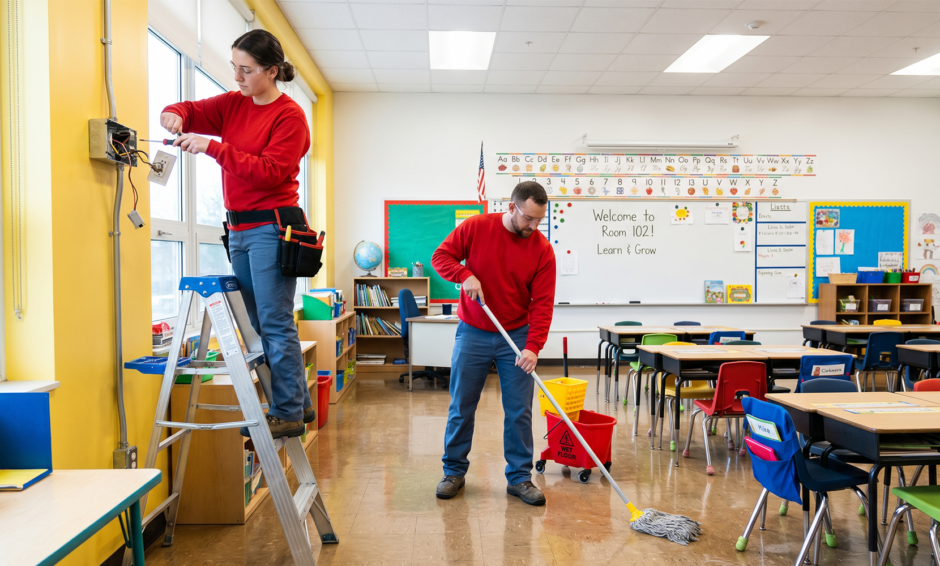
Summer break never feels as long as it looks on the calendar. By mid-July, most K-12 schools, private schools, colleges, and universities already have maintenance work underway, even if every building isn’t on the same schedule.

Floors are being restored, classrooms are being refreshed, and outside trades are working alongside school maintenance staff to keep projects moving.

Managing the work itself is only part of the job. Every project affects the spaces around it. A freshly finished hallway becomes the path for moving furniture. Dust from ceiling work settles in classrooms that were cleaned the week before. A room that’s ready for reopening suddenly needs one more visit from an installer.

None of this necessarily points to poor planning. Summer school maintenance has dozens of moving parts, and schedules change. The closer schools get to reopening, the more valuable coordination becomes.

Professional education facility and school cleaning services can help maintenance teams protect completed work, reduce unnecessary rework, and prepare buildings for students, faculty, and staff without piling on more pressure during the final weeks of summer.

Read more “How to Prevent Last-Minute Rework During School Summer Maintenance”

The Summer Facility Readiness Plan: 7 Cleaning Priorities Before Students Return

Summer goes by quickly. One minute students are packing up for break, and the next, orientation tours are underway and teachers are setting up classrooms.

For facility managers, maintenance teams, and administrators, those summer months aren’t truly downtime. They’re one of the few opportunities to get ahead of issues that build up throughout the school year.

But many campuses spend summer tackling only the most visible cleaning tasks. Floors get mopped, trash gets removed, and classrooms get straightened up. Meanwhile, bigger maintenance and cleaning projects pile up.

Deferred cleaning starts showing up in the form of worn flooring, stained carpets, unpleasant odors, indoor air quality concerns, and complaints from students, staff, and visitors.

And that’s particularly important as educational facilities continue to age. According to NCES, the average public school’s main instructional building is 49 years old, with 38% constructed before 1970.1

What could have been addressed through preventative maintenance turns into a much larger expense later.

A proactive summer plan for your K-12 school, community college, university, or multi-building campus can help protect your facility, support healthier learning environments, and reduce long-term maintenance costs.

Avoid playing catch-up all year long. These are the seven cleaning priorities that deserve a spot on your summer educational facility cleaning plan.

Read more “The Summer Facility Readiness Plan: 7 Cleaning Priorities Before Students Return”

Post-Winter Illness Prevention: How Schools Can Strengthen Cleaning Protocols Before Spring

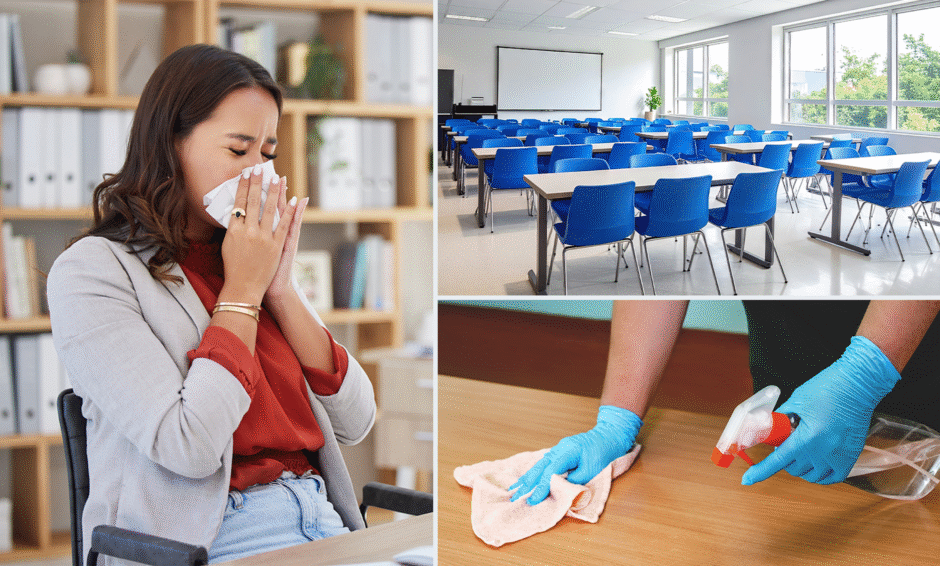
March is here, and most K–12 schools and university campuses have already weathered the toughest stretch of the academic year. Winter illnesses have cycled through classrooms and residence halls, foot traffic has steadily worn down floors and entryways, and custodial teams and school janitorial services staff may have faced gaps due to absences. At the same time, the first signs of spring begin to appear. Fluctuating temperatures, increased moisture, and early allergens entering buildings through every open door.

For facility managers and operations leaders, March isn’t simply a bridge between seasons but a whole operational shift. It’s the time to size up what the winter months left behind, reinforce cleaning and disinfection standards, and prepare buildings for the increased activity and environmental changes that come with spring. A proactive reset now protects health, preserves building assets, and reinforces confidence among students, faculty, parents, and stakeholders.

Strengthen school cleaning protocols this month by reassessing winter wear, reinforcing health standards, and preparing facilities for spring allergens, moisture, and activity.

Read more “Post-Winter Illness Prevention: How Schools Can Strengthen Cleaning Protocols Before Spring”

What Winter Reveals About Your Warehouse & Why It Matters Before Spring Arrives

Winter in the Mid-Atlantic region doesn’t quietly fade away. In February, warehouses are still operating alongside snowbanks, ice-covered lots, and weeks of accumulated salt and moisture tracked through dock doors and entry points. While temperatures are still cold, facilities are already carrying the physical consequences of winter: worn floors, residue buildup, and stressed high-traffic areas that have been under constant pressure for months.

At the same time, operations leaders are looking ahead to spring, which typically brings increased shipping volume, faster inventory movement, and expanded staffing. And all of this is layered on top of whatever winter leaves behind. This overlap makes late winter a critical moment. Not because spring is here yet, but because winter has already exposed how well a warehouse cleaning program performs under sustained demand.

See what winter says about your warehouse so your facility is prepared when spring pressure arrives.

Read more “What Winter Reveals About Your Warehouse & Why It Matters Before Spring Arrives”

After-Hours Advantage: Why Overnight Warehouse Cleaning Delivers Maximum ROI

Warehouses are always humming. There’s freight moving in, orders moving out, and teams hustling to hit daily goals. With all that activity, deep warehouse cleaning often gets pushed to the bottom of the priority list until it becomes a problem. Dust settles on shelves. Forklift traffic leaves residue on floors. Inventory corners get overlooked. And before you know it, the space feels dirty even though operations are moving fast.

Unlike office spaces, warehouse environments deal with heavy machinery, constant foot traffic, inventory shifts, and robust day-to-day logistics. That means dust, debris, and floor buildup happen fast and need more than a quick sweep to stay under control. Industrial cleaning done the right way keeps spaces not just tidy but running smoothly.

Put overnight cleaning to work so your warehouse is clean, safe, and ready before the day shift starts.

Read more “After-Hours Advantage: Why Overnight Warehouse Cleaning Delivers Maximum ROI”

New Year, New Standards: Is Your Cleaning Program Ready for 2026?

As we step into a new year, facility managers are reexamining more than budgets and capital projects. And 2026 cleaning trends aren’t just about making sure your cleaning staff uses eco-friendly products or the latest equipment. For those responsible for cleanliness, safety, and operational continuity, you need to focus on meeting higher demands for accountability, transparency, and performance in a changing business climate.

Is your current cleaning program aligned with 2026 expectations?

Don’t let existing vendor relationships lock you into subpar commercial cleaning services. Let’s review how to evaluate your current cleaning vendor and build a stronger 2026 cleaning plan by focusing on three key areas: compliance, consistency, and scope of work.

Read more “New Year, New Standards: Is Your Cleaning Program Ready for 2026?”

Holiday Sanitation & Compliance: Your Facility’s Game Plan for Seasonal Surges

As the holiday season approaches, commercial facilities of all kinds, from healthcare institutions to corporate campuses and private schools, face a familiar challenge: preparing for the surge. Increased foot traffic, extended hours, more frequent events, and expanded food service all place greater demand on your cleaning and facility operations. On top of that, many organizations bring on temporary staff, adjust floor plans to accommodate decorations, and loosen standard routines to “make room for the season.” These changes introduce sanitation blind spots and elevate your exposure to compliance risks. But the reality is that OSHA and FDA requirements don’t take a holiday. In fact, regulatory agencies expect you to maintain, if not heighten, your safety, sanitation, and documentation protocols during high‑risk seasons. And with increased public scrutiny around health, hygiene, and workplace safety, keeping up with compliance during the holidays through commercial cleaning services is not just about checking boxes. It’s about protecting your people, your brand, and your liability. Review how to prepare your facility for holiday surges while staying compliant with OSHA, FDA, and internal sanitation standards.

Read more “Holiday Sanitation & Compliance: Your Facility’s Game Plan for Seasonal Surges”

Launching Disinfection Awareness at Your Workplace: Best Practices & Checklist

As the leaves begin to change and cooler weather settles in, October marks the true start of autumn across the Mid-Atlantic region. Along with crisp mornings and shorter days, this season does also bring with it an increase in colds, flu, and other respiratory illnesses. But for facility managers, this means fall is the ideal time to revisit workplace disinfection protocols.

October 15 also marks Global Handwashing Day, an annual observance for the importance of hand hygiene in preventing illness.1 While handwashing is an essential frontline defense, workplace health requires a broader approach—one that includes cleaning, sanitizing, and disinfecting the environments where people spend most of their day.

Review practical best practices for workplace disinfection to strengthen health and safety this fall so your facility can minimize seasonal illness, protect productivity, and foster trust among everyone who enters your space.

Read more “Launching Disinfection Awareness at Your Workplace: Best Practices & Checklist”

What Facility Managers Should Ask Before Renewing a Janitorial Contract

Renewal time is decision time. It can be tempting to roll your janitorial contract over for another year without a second thought. But here’s the real headache: dealing with a cleaning company that’s not delivering, then being locked into a long-term agreement with them.

Before you auto-renew, pause and ask yourself if your cleaning service meets expectations. Renewal time is your chance to make changes, renegotiate, or adjust services so they match your facility’s current needs. Whether running a busy office, clinic, school, or any other property, asking the right questions now can save a year of frustration and keep your space looking its best.

Here’s a practical checklist of questions for facility managers to ask before signing that renewal. Grab a notepad and let’s get this right.

Read more “What Facility Managers Should Ask Before Renewing a Janitorial Contract”

The Ultimate Property Management Cleaning Checklist 

One of our specialties at Commercial Cleaning Corp. is facility common area cleaning services. We work with facilities of residential and corporate multi-tenant buildings. We use the following property management cleaning checklist to ensure you have consistent cleaning services. When you own real estate properties the last thing you want to be bogged down with-it facility services. Many of our property management clients have been with us multiple decades because of our consistent quality services. We service New Jersey, Bucks County and more with our property management cleaning janitorial services.

Download the Property Management Cleaning Checklist >

Read more “The Ultimate Property Management Cleaning Checklist “